
Why Small Multifamily Buildings in Established Suburban Areas Have a Deferred Maintenance Problem Most Buyers Underprice
Last updated: August 19, 2026
Published August 19, 2026 · Updated August 19, 2026
Why small multifamily suburban buildings have deferred maintenance problems buyers underprice comes down to one habit: owners of these 4-to-16 unit properties tend to run them like a side business, not an asset, and repairs get pushed until the roof is actually leaking instead of just aging out. This pattern shows up all over established suburban districts, the kind of residential neighborhoods built up in waves from the 1960s through the 1980s where a small apartment building sits between single-family homes and nobody thinks of it as commercial real estate. If you’re a buyer underwriting a 10-unit walk-up in one of these older suburban pockets, the seller’s clean rent roll is telling you almost nothing about the mechanical systems underneath it.
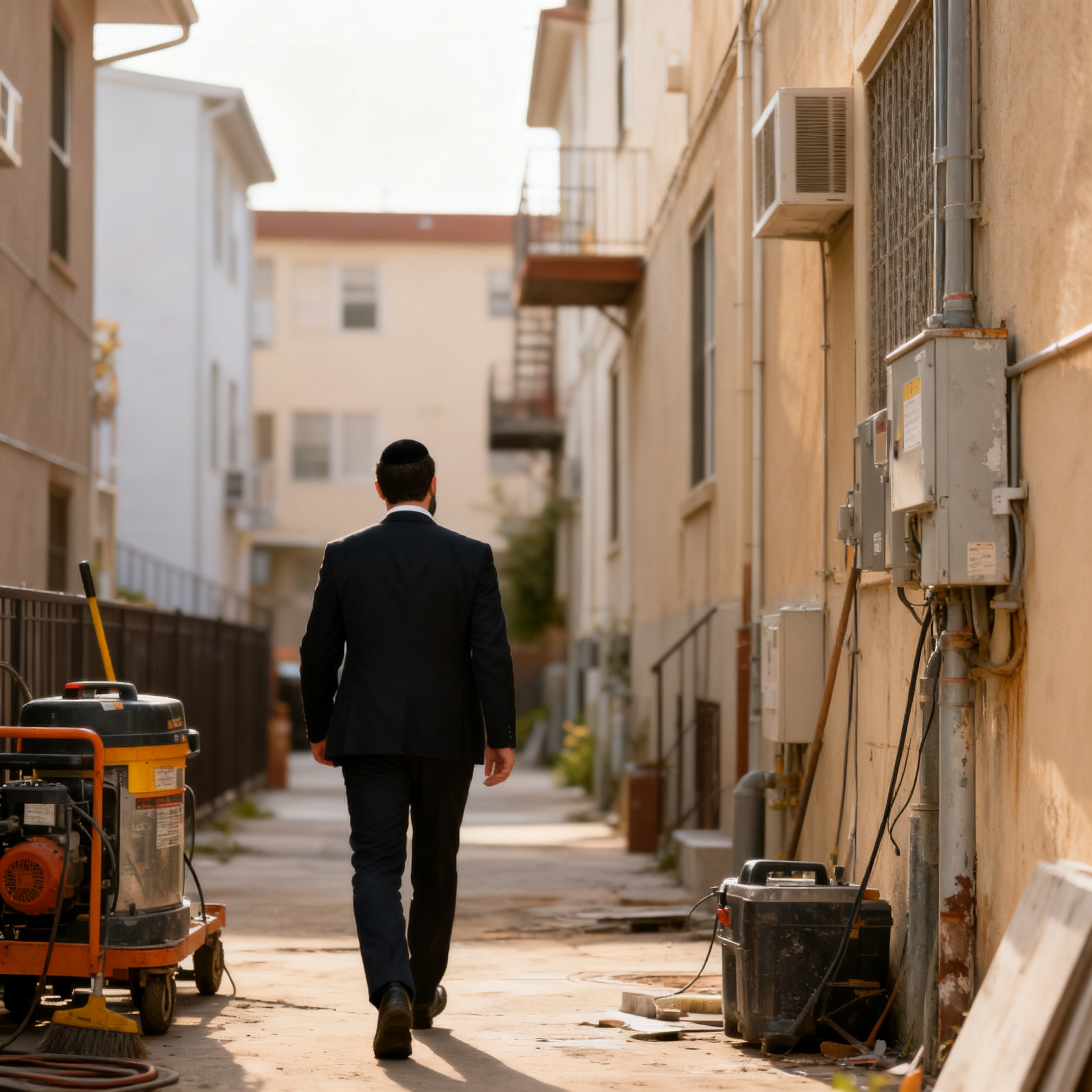
Why These Buildings Are Different
Common Problems We See Here
How We Approach This Type of Deal
Local Tip
FAQ
Sources
Small multifamily buildings built between roughly 1962 and 1985 in established suburban areas commonly carry three underpriced problems: original galvanized or cast iron plumbing, low-slope roofing near or past its service life, and electrical panels sized for a household load, not a 10-unit load. Sellers with long hold periods often have no reserve account and no capital plan, which means the rent roll looks clean while the building itself is quietly aging out of code compliance. Buyers who skip a real property condition assessment typically underprice these risks by treating the building as a bigger single-family home instead of a small commercial asset with its own depreciation schedule under IRS rules.
- Small multifamily buildings in established suburban districts are typically 4 to 16 units, built in a single wave rather than added onto over time.
- Construction era clusters heavily in the 1962-1985 range, meaning roofs, mechanicals, and often the original plumbing are past or near the end of a normal service life.
- Ownership in these buildings skews toward long-hold, owner-operator landlords who bought the property decades ago and self-manage it, rather than institutional owners with a formal capital plan.
- Lot layouts in these suburban districts usually predate modern parking ratios, which affects insurance underwriting and any future unit-count expansion.
- Many of these buildings sit on individual meters for water but shared meters for gas or electric, a wiring quirk from the era that shows up in utility bill disputes today.
Why These Buildings Are Different
Small multifamily buildings in established suburban areas sit in an odd gap. They are too small for institutional capital to bother with a full capital needs assessment, and too big for a typical homeowner buyer to walk through with a general home inspector and feel confident. That gap is exactly where why small multifamily suburban buildings have deferred maintenance problems buyers underprice starts to make sense. Nobody with the right expertise is looking closely, and the seller has no real incentive to point out what’s wrong.
Age is the biggest driver. A building put up in 1971 is now well past the 27.5-year depreciation window the IRS assigns to residential rental property, and most of its original systems, roof membrane, boiler, water heaters, have already been replaced once or are overdue for replacement now. Terrain and weather matter too. Buildings on slightly sloped suburban lots with limited grading often show foundation moisture issues that a seller can paper over with fresh paint in the stairwell.
Demographics play a quiet role as well. These buildings tend to have long-term tenants who don’t complain much, because rent is below market and nobody wants to lose that. That keeps the vacancy rate looking great on paper while masking a building that hasn’t had a capital improvement in fifteen years.
“The rent roll on a small suburban multifamily building tells you what the tenants are paying. It tells you nothing about what the roof, the panel, or the pipes are about to cost you. I learned to read those two things as separate conversations.” – David Stern Team
Common Problems We See Here
Four issues show up over and over in small multifamily suburban buildings from this era, and each one is easy for a buyer to underprice if the seller doesn’t flag it and the inspection scope is too shallow to catch it.
Original plumbing runs. Galvanized steel supply lines and cast iron drain stacks from the 1960s and 1970s are typically at or past end of service life. Corrosion narrows the pipe from the inside, so water pressure complaints often show up years before an actual leak, and by the time a buyer notices it, the fix is a full re-pipe, not a patch.
Low-slope or built-up roofing. A lot of these small apartment buildings have flat or low-slope roofs, which typically run 15 to 25 years of service life depending on the membrane. If the last replacement was in the late 2000s, the roof is already inside its replacement window, and a seller with no reserve fund has strong incentive to patch rather than replace before listing.
Undersized electrical service. Many buildings from this era were wired for a much lighter load than modern tenants actually draw, window AC units, more appliances, more devices. Panel upgrades in a 10-to-16 unit building typically run in the range of $1,200 to $2,800 per unit depending on whether it’s a straightforward swap or a full service upgrade from the utility connection in.
Deferred exterior envelope work. Tuckpointing, window seals, and stairwell rust are cosmetic until they’re not. Honestly, this is the one that surprised me most when I started underwriting these deals. A building that looks fine from the curb can have water intrusion behind the brick that’s been quietly rotting a rim joist for years.
Plumbing, roofing, electrical service, and the exterior envelope are the four categories that most often carry hidden cost in small suburban multifamily buildings. None of them show up on a standard walkthrough. All four are why buyers who skip a real property condition assessment tend to underprice these deals.
| System | Typical Service Life | Typical Replacement Cost Range |
|---|---|---|
| Flat/low-slope roof membrane | 15-25 years | $8,000-$18,000 per building (8-16 units) |
| Galvanized supply plumbing re-pipe | 40-60 years | $3,500-$6,500 per unit |
| Electrical panel/service upgrade | 30-50 years | $1,200-$2,800 per unit |
| Boiler or shared HVAC replacement | 20-30 years | $12,000-$28,000 per building |
Ranges above are typical industry figures for this building type and are illustrative, not a quote for any specific property.
How We Approach This Type of Deal
This breakdown is for buyers who are already underwriting a specific small multifamily building, not for someone still deciding whether real estate belongs in a portfolio at all. When I look at a 4-to-16 unit building in an established suburban area, I treat the physical building and the financials as two separate underwriting tracks that have to reconcile before I take the deal seriously.
Pull the building’s construction year first
Before I run a single financial number, I want the permit history and the construction year. That tells me which systems are statistically due, before the seller says a word.
Order a real property condition assessment
Not a general home inspection. A PCA scoped to a small commercial building following an industry standard like ASTM E2018 gets into the roof, panel load, and plumbing material in a way a residential inspector often won’t.
Model the reserve gap, not just the rent roll
I run early numbers through 8ight to stress test what happens to the cap rate if the roof and panel both need replacement in year two. That’s how I look at deals, not investment advice, and it’s not a prediction of returns for anyone else’s underwriting.
Reprice, don’t just negotiate credits
A $6,000 credit doesn’t fix a $22,000 roof. I’d rather walk from a deal than close on a number that assumes I’ll never need the reserve fund I’m not getting.
If you’re a buyer comparing a 1970s 10-unit walk-up against a 1990s-built 8-unit in the same submarket, the honest answer is that they are not the same asset class even if the cap rate on paper looks identical. Our multifamily due diligence checklist walks through the line items I’d want documented before I’d move past a letter of intent, and our value-add underwriting approach covers how I separate cosmetic deferred maintenance from structural deferred maintenance.
I also try to close deals on a schedule that respects my own life, which sometimes means a closing slips a day because I don’t work on Shabbat. Sellers occasionally push back on that. It’s non-negotiable for me, and in practice it has never actually cost a deal, it’s just a date on a calendar that moves by 24 hours.
FAQ
Why do small multifamily buildings in suburban areas have more deferred maintenance than newer apartment complexes?
Small multifamily buildings built between roughly 1962 and 1985 are old enough that their original roof, plumbing, and electrical systems have already run past a typical 20-to-40 year service life. Owner-operators of these buildings rarely keep a formal reserve fund the way an institutional owner would, so repairs get pushed until something fails instead of being planned on a replacement schedule.
What inspection should a buyer order for an 8-to-16 unit suburban building?
A property condition assessment scoped to the ASTM E2018 standard covers the roof, mechanical systems, plumbing material, and electrical service load in a way a standard single-family home inspection typically does not. Buyers who skip this step and rely on a general home inspector are the ones most likely to underprice deferred maintenance risk.
How much should a buyer budget for deferred maintenance on an older small multifamily building?
Typical ranges run from $3,500 to $6,500 per unit for a full plumbing re-pipe, $1,200 to $2,800 per unit for an electrical panel upgrade, and $8,000 to $18,000 per building for a roof replacement on an 8-to-16 unit property. These are illustrative industry-norm figures, not a quote, and actual costs depend on the specific building and local contractor pricing.
Is a small multifamily building a good investment if it has deferred maintenance?
This depends on whether the purchase price actually accounts for the repair costs a proper property condition assessment uncovers. This is how I look at deals, not investment advice, and no article can tell you whether a specific building is a good investment for your situation.
Sources
- 27.5-year depreciation schedule for residential rental property – IRS Publication 527
- Reserve for replacement requirements on multifamily properties – HUD Office of Multifamily Housing
- Property condition assessment scope and standard practice – ASTM International, E2018 Standard Guide
The core answer to why small multifamily suburban buildings have deferred maintenance problems buyers underprice is simple once you’ve walked enough of them. The building’s age tells the story before the seller ever opens their mouth. If you’re a buyer looking at your first small multifamily deal in an established suburban area, treat the property condition assessment as non-negotiable, and treat the rent roll as only half the underwriting. Our how we evaluate deals page and our background page go deeper into the framework I use before any offer goes out.
David Stern
🎧 Listen to article
- Why Older Walk-Up Multifamily Buildings in Established Areas Have a Repositioning Problem Most Buyers Miss
- Raising Capital for a Small Multifamily Deal: What the Real Cost of a Partnership Actually Looks Like
- Self-Managing vs. Third-Party Property Management on Small Multifamily: What the Real Cost Difference Looks Li
- Kitchen Renovation vs. Unit Layout Reconfiguration: Which Renovation Dollar Returns More on a Small Multifamil
- Small Multifamily Renovation Cost Breakdown: What Value-Add Repositioning Actually Costs in 2026


